
Google Play is Changing How Users Discover New Apps
October 16th, 2026
 Tagged: Google Play
By David Bell
CEO at Gummicube, Inc.
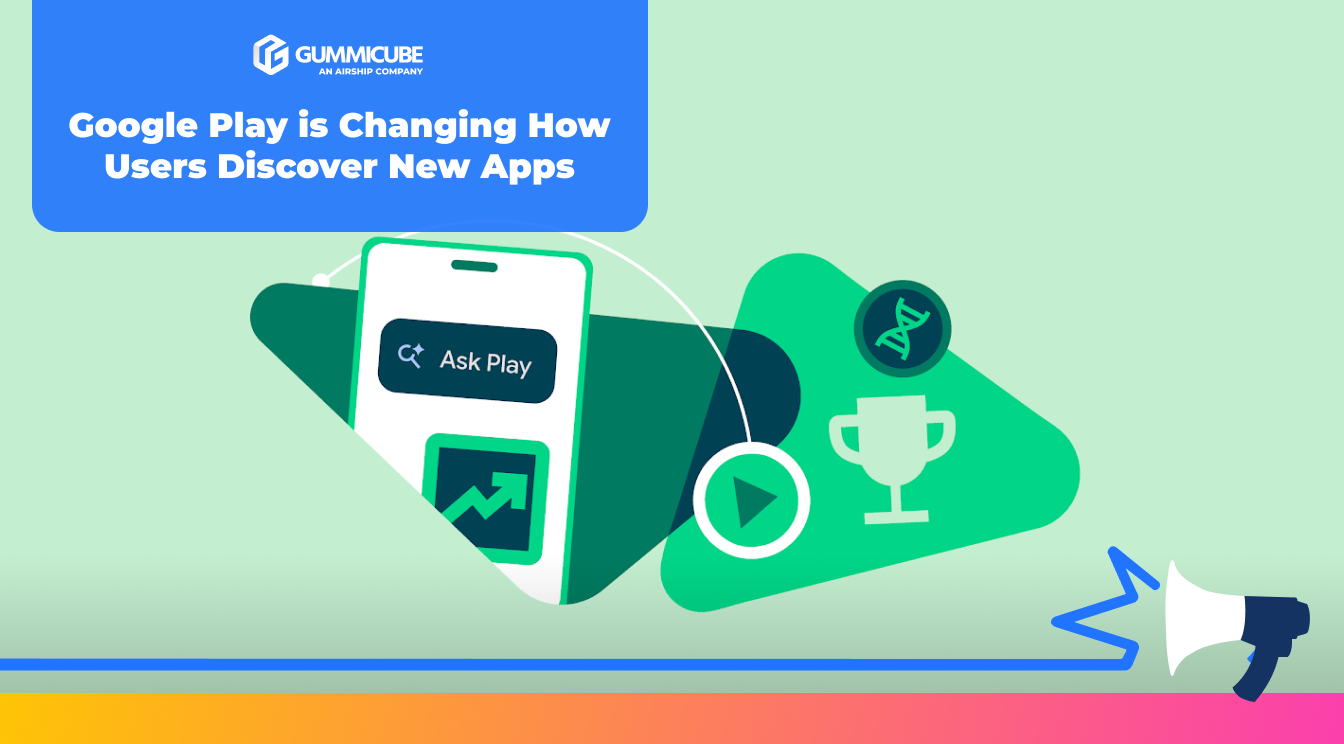
Google Play is introducing new ways for users to create, discover, compare, and engage with apps and games. Announced on October 13, 2026, these updates include AI-powered app recommendations, deeper integration with Gemini, personalized game discovery, and the ability to launch custom Android apps without a developer account. For App Store Optimization (ASO), these changes signal an evolving discovery landscape where relevance, user intent, and visibility across AI-powered experiences are becoming increasingly important. Google’s announcement highlights a broader effort to make Google Play more personalized and interactive.
KEY TAKEAWAYS
- AI is reshaping app discovery. Ask Play and Play in Gemini introduce new ways for users to find and compare apps through conversational experiences.
- App creation is becoming more accessible. Google Play now supports launching personal Android apps built with Google AI Studio without requiring a developer account.
- Game discovery is becoming more personalized. Game Finder and Game Playlists help users discover games based on their interests and preferences.
- Family safety remains a priority. Age-range sharing through Family Link gives apps information to support age-appropriate experiences while limiting the personal data shared.
- ASO strategies must continue to evolve. Developers should prioritize relevant metadata, clear value propositions, and a strong user experience as discovery methods expand.
HOW IS GOOGLE PLAY CHANGING APP DISCOVERY WITH AI?
Google is expanding how users find apps through AI-powered discovery features that make recommendations more conversational and personalized. These tools give users additional ways to evaluate apps beyond traditional keyword searches and browsing category pages.
Ask Play allows users to ask questions and receive tailored app recommendations. The feature can also generate comparisons between apps, highlighting key differences and user sentiment to help users make more informed decisions.
Play in Gemini brings Google Play apps, games, and developer content directly into Gemini conversations. Google says the integration will begin rolling out to all Gemini users soon, creating another environment where users can encounter and evaluate apps.
For ASO professionals, these updates reinforce the importance of clearly communicating an app’s purpose, features, and unique value. As AI-powered recommendations become more prominent, developers should ensure their store listing metadata accurately reflects what their app offers and aligns with the needs of their target audience.
HOW CAN USERS CREATE AND LAUNCH THEIR OWN ANDROID APPS?
Google is also lowering the barrier to Android app creation by allowing users to build custom apps through Google AI Studio and launch them on their own devices through Google Play.
Users can create personal apps using natural-language prompts and run them without a developer account. These apps remain private and separate from the public Google Play catalog, meaning they do not appear in public search results or store listings.
Google plans to introduce additional sharing capabilities in the coming months, allowing users to share personal apps with a close circle of friends and family. Users who want to distribute their creations publicly will have a path toward a professional developer account, subject to Google Play’s applicable quality and Trust & Safety requirements.
Although this feature does not directly change traditional app store listings, it demonstrates how app creation and distribution are evolving. Developers should continue to monitor how easier app creation influences competition, user expectations, and the ways people discover mobile experiences.
WHAT IS CHANGING ABOUT GAME DISCOVERY IN THE GOOGLE PLAY STORE?
Google is introducing new features designed to help users discover games based on personal interests rather than popularity alone.
Game Finder uses gaming knowledge and user preferences to recommend titles that better match individual tastes. Its Gamer DNA feature considers how users play and the preferences they share to personalize recommendations. Google announced an initial rollout in English to users in the United States, with additional markets planned.
Game Playlists allow users to curate collections of games based on their interests. Google also plans to introduce sharing capabilities so users can explore playlists created by other gamers.
These features create additional opportunities for games to reach audiences with relevant interests. Developers should continue to communicate distinctive gameplay mechanics, art styles, genres, and other defining features through their store listings and visual assets. Clear positioning can help users understand whether a game matches their preferences before downloading it.
GOOGLE PLAY STORE IS ADDRESSING FAMILY SAFETY AND PRIVACY
As Google expands access to AI-powered tools and custom apps, it is also introducing new ways to support age-appropriate experiences.
Through Google’s Family Link app, parents or guardians will be able to share a child’s age range directly with apps. This allows participating apps to tailor experiences based on age while receiving only the minimum information necessary for that purpose, rather than requiring an exact birthdate.
For developers, this reinforces the importance of building experiences that account for user needs, privacy, and appropriate content access. As expectations around personalization and safety evolve, developers should consider how these factors influence both user trust and the overall app experience.
FINAL THOUGHTS
Google Play’s latest updates demonstrate that app discovery is expanding beyond traditional search and browsing. AI-powered recommendations, conversational discovery through Gemini, personalized game suggestions, and new app creation capabilities are changing how users find and interact with mobile experiences.
For developers, ASO remains essential to:
- Communicating an app’s value
- Connecting with relevant audiences
As discovery methods evolve, maintaining accurate metadata, differentiated messaging, compelling creative assets, and a user-focused experience can help apps remain competitive.
Developers who monitor these changes and adapt their strategies accordingly will be better positioned to respond to evolving user expectations and emerging discovery opportunities.
LET’S CHAT!
As Google Play continues to evolve, your ASO strategy should evolve with it. Gummicube helps developers improve app discoverability through data-driven keyword research, metadata optimization, creative testing, and ongoing store listing analysis.
Contact our team to learn how our ASO services can help your app reach relevant audiences, improve conversion opportunities, and stay competitive in an evolving app marketplace.
More blog-posts like this:
How Can I Reduce My App's Uninstall Rate?
High uninstall rates can signal a disconnect between user expectations and the experience an app provides, making it important to evaluate both your store listing and your app’s performance.
Everything You Need to Know About Google App Campaigns
Understanding how Google App Campaigns work can help developers maximize their App Store listing. Read more now!
App Store Optimization Tips for YouTube Kids
Developers only have a few seconds to convince parents that their app is trustworthy while simultaneously capturing a child's attention through engaging visuals & content.